If you wonder what to do in Chania in October, picture summer with the volume turned down. Late September slides into October here, and the whole town changes pace. Summer crowds thin out, evenings cool down, and the sea still invites a long swim.
October has three catches: the days are shorter, the weather can turn quickly, and a few schedules shift with the season.
None of them should put you off.
They simply shape the five slow days below, which begin in the Old Town and end among our olive trees. Keep reading to find the best swimming spots, the trails that suit October and a few plans for rainy days.
What to do in Chania in October: 5 things to consider
Feel free to shuffle the days to suit the forecast, and keep the longest outings for the mornings, since shorter days leave less time in the evening.

Photo by Ilias Nikolarakis from Pexels
Day 1: Give the Old Town an afternoon
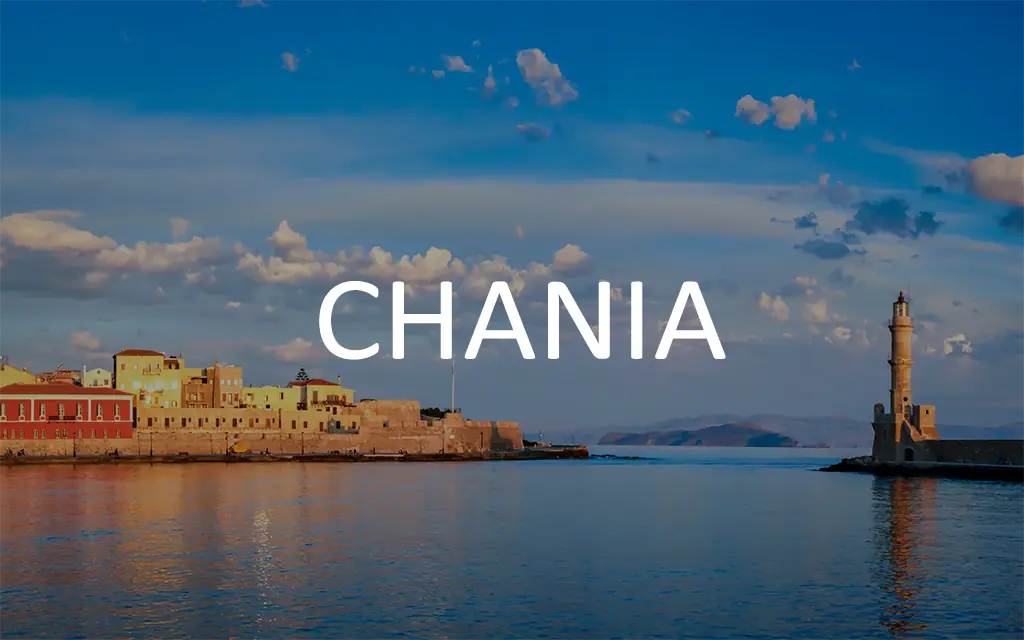
Start at the Venetian Harbour and walk out along the stone breakwater, the long sea wall that shelters the harbour, to the Lighthouse. The Venetians first built it in the late 16th century, and Egyptian rulers rebuilt it in the 1830s, and today it is known as the Egyptian Lighthouse. Back on the waterfront, the long stone Neoria, the old Venetian shipyards, line the quay, and the Küçük Hassan Pasha Mosque adds the harbour’s Ottoman chapter. Along the way you will pass plenty of shops, tavernas and cafes, so it is easy to pause for a coffee or browse for souvenirs.
Then head towards Firkas Fortress, which guards the western edge of the harbour. Just behind it, the lanes of Topanas twist between Venetian houses. Head east and the mood softens in Splantzia, where plane trees shade the square around the church of Agios Nikolaos, which has both a bell tower and a minaret. The quarter feels quieter and less commercial than the harbour, which makes it a good place for a long dinner.
If you want more context, climb Kastelli Hill above the harbour, the oldest inhabited part of Chania. The Maritime Museum at Firkas and the Etz Hayyim synagogue, the only one that survives on Crete, also reward a visit. Opening hours change with the season, so check before you go.
Day 2: Swim close to town
Swimming is still easy in October, since the sea usually stays around 22 to 24°C. Daytime air often reaches the low to mid 20s, which keeps beach days pleasant, and you can even swim without leaving town. Nea Chora and Koum Kapi sit close to the Old Town, and Koum Kapi lies just a few steps from the narrow streets, so a morning of walking can end with a swim.
For a proper beach day, drive a few kilometres west to Agioi Apostoloi, a cluster of sandy coves. The organized sections have sunbeds, showers and beach bars, restaurants sit nearby, and the relatively shallow water suits families. Services vary in autumn, so bring a towel and a light layer, because the air cools quickly after sunset. If you want a longer stretch of sand, Agia Marina and Kato Stalos, near Platanias, form a long strand with shallow, often calm water.

Photo by Miraç Deniz Kaya from Pexels
Day 3: Hike a gorge while the season lasts
Samaria is the gorge everyone talks about, and cooler October air makes its long descent easier. The hike runs one way for roughly 16 kilometres, from the White Mountains down to the village of Agia Roumeli, and many hikers need five to seven hours. A ferry and a bus bring you back afterward, and the park admits full hikes only in the morning, so start early.
The park’s official website lists the season as running from 1 May to 31 October. Rain and flash-flood risk can close it earlier, though, and some guides expect closure by mid October, so check the current status the day before you go.
If a full day at Samaria sounds like too much, Chania has quieter options. Imbros Gorge is shorter and easier, running from the village of Imbros to Komitades, where a bus or taxi takes you back. Agia Irini Gorge is shaded and quieter and takes about three hours, and it ends near the coast at Sougia, though you may cross the stream several times. Closer to Chania, on the Akrotiri peninsula, Katholiko Gorge (also called Avlaki Gorge) offers a short, scenic descent from Gouverneto Monastery. It leads past the abandoned Katholiko Monastery to a small bay with deep blue water, and you walk the same route back up, so bring good footwear and plenty of water.
Imbros and Agia Irini are one-way hikes, so arrange your return before you set off. Skip gorges in high winds because of rockfall, and after heavy rain because of flash floods.

Photo by Francesco Ungaro from Pexels
Day 4: Head west for a big beach day
Western Crete has plenty of beaches that visitors and locals both love, so the hardest part of this day is choosing. Elafonissi is about 1.5 hours from Chania by car, and its shallow lagoon and pale pink sand make the drive worthwhile. Kedrodasos, a series of coves set among juniper trees, lies only about 2 kilometres along the coast from Elafonissi. Falassarna, about 59 kilometres west of Chania, is a long stretch of sandy beaches, and its most popular part, Pachia Ammos, is organized with umbrellas, cafe-bars and watersports. Go early, because shorter days leave less time on the sand, and check the sea conditions before you set out.
Balos works best as an organized boat tour. The Old Town has many tour companies, so ask there for the latest details, and keep the day flexible, since boat trips depend on the weather. A car helps on days like this, since many beaches and trailheads sit outside town.
Day 5: End among the olive trees at Pallada
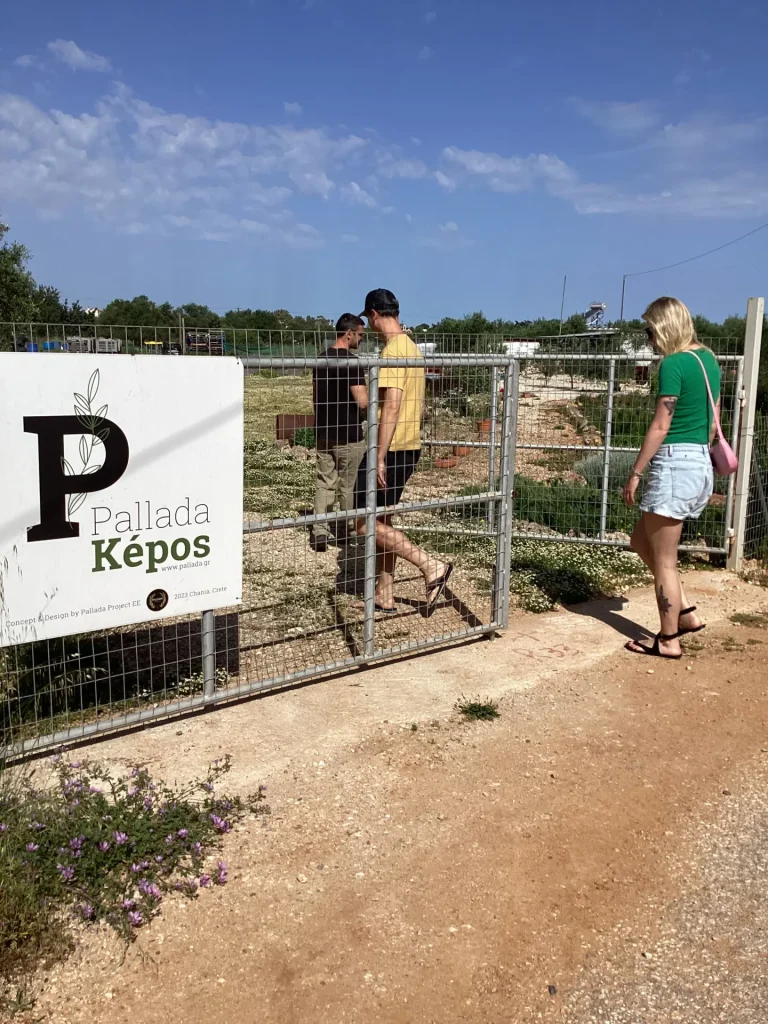
Save the last day for the Akrotiri peninsula, where our olive groves grow. Our Pallada olive oil tour and tasting in Chania begins in Sternes, about seven minutes from Chania Airport, and lasts around 90 minutes. A short walk leads to Pallada Kèpos, a small botanical park among the olive trees with Cretan herbs and Greek olive varieties. Next, we step into the mill and explain how olives become olive oil.
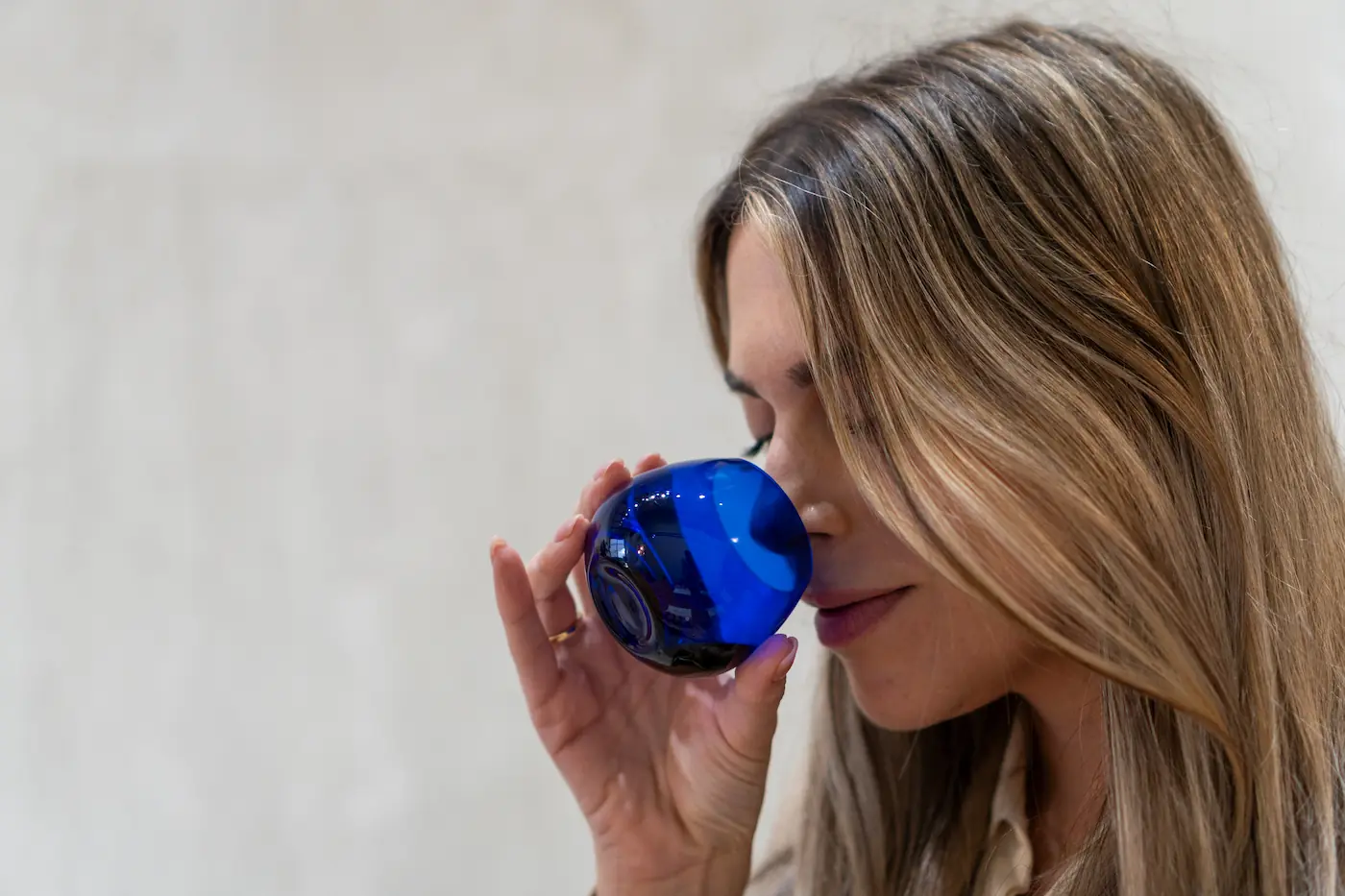
A guide then leads a tasting of four olive oils, and you learn to notice aroma, fruitiness, bitterness and pungency. After that, you prepare your own dakos, a Cretan dish of barley rusk topped with crushed tomato, feta, oregano and olive oil. Using different oils on the same dish shows how much they change the flavour. The morning ends with a full Mediterranean meal, plus Pallada Spread on fresh bread and Pallada honey.
The tour costs €35 per person, and children under 12 join free. Tours run Monday to Friday at 10:00, 12:00 and 14:00, in Greek or English. Please book in advance and check availability if your dates include October 28. If you are short on time, our 30-minute olive oil tasting costs €5 per person.
Good to know before you go
- Days are shorter than in summer, and that shapes what to do in Chania in October. Put long outings in the morning and save the Old Town for late afternoon, when the light softens.
- Autumn weather can turn quickly too, so keep a rainy-day swap in mind. Old Town cafes, tavernas and museums make easy indoor stops. Feel free to contact us if the forecast worries you before a tour.
- October 28 is Ohi Day, a national holiday, and in 2026 it falls on a Wednesday. Towns hold church services and parades, and many shops, museums and archaeological sites close, so plan your sightseeing around it.
Final Thoughts
To conclude, October rewards a loose plan. Walk the harbour once the day cools and swim while the sea holds its warmth. Then save one morning for our olive oil tour and tasting in Chania, where you explore our olive grove and mill, taste four olive oils and make your own dakos. What to do in Chania in October comes down to slowing down, and the island makes that easy. Come for the last of the summer light and stay for the quiet.
📞Contact us for further information about the tours via Whatsapp.
👉Discover our products
Frequently Asked Questions (FAQs)
1. Is the sea warm enough to swim in Chania in October?
For most people, yes, since the sea usually stays around 22 to 24°C. Check conditions on the day, because wind and waves can change quickly.
2. What is the weather like in Chania in October?
Daytime highs often reach the low to mid 20s°C, and evenings feel cooler. Many days are sunny, though rain becomes more likely than in summer. We suggest you pack a light layer and a rain jacket.
3. What to do in Chania in October with children?
Sandy bays with relatively shallow water, like Agioi Apostoloi, suit families. Children under 12 also join our olive oil tour for free. Check opening hours before you go, since autumn schedules can change.
4. Is Samaria Gorge open in October?
Usually, at least for part of the month, since the park’s official website lists a season ending on 31 October. Rain can close it earlier, so confirm the status the day before and start early in the morning.
5. What is Ohi Day, and does it affect my plans?
Ohi Day falls on October 28 and marks Greece’s refusal of an Italian ultimatum in 1940. Towns hold parades and church services, and many places close, so plan your sightseeing for another day.
6. Can I visit an olive mill in Chania in October?
Yes. At Pallada, we run a 90-minute tour and tasting in Sternes, Akrotiri, from Monday to Friday. Please book in advance.