Olive oil is a staple of the Mediterranean diet. But not all olive oils are created equal.
If you’ve ever wondered what “extra virgin” means and how to distinguish a truly quality product, this guide is for you.
What you’ll learn
- What is extra virgin olive oil
- What are its key characteristics
- How to recognize quality
What is extra virgin olive oil
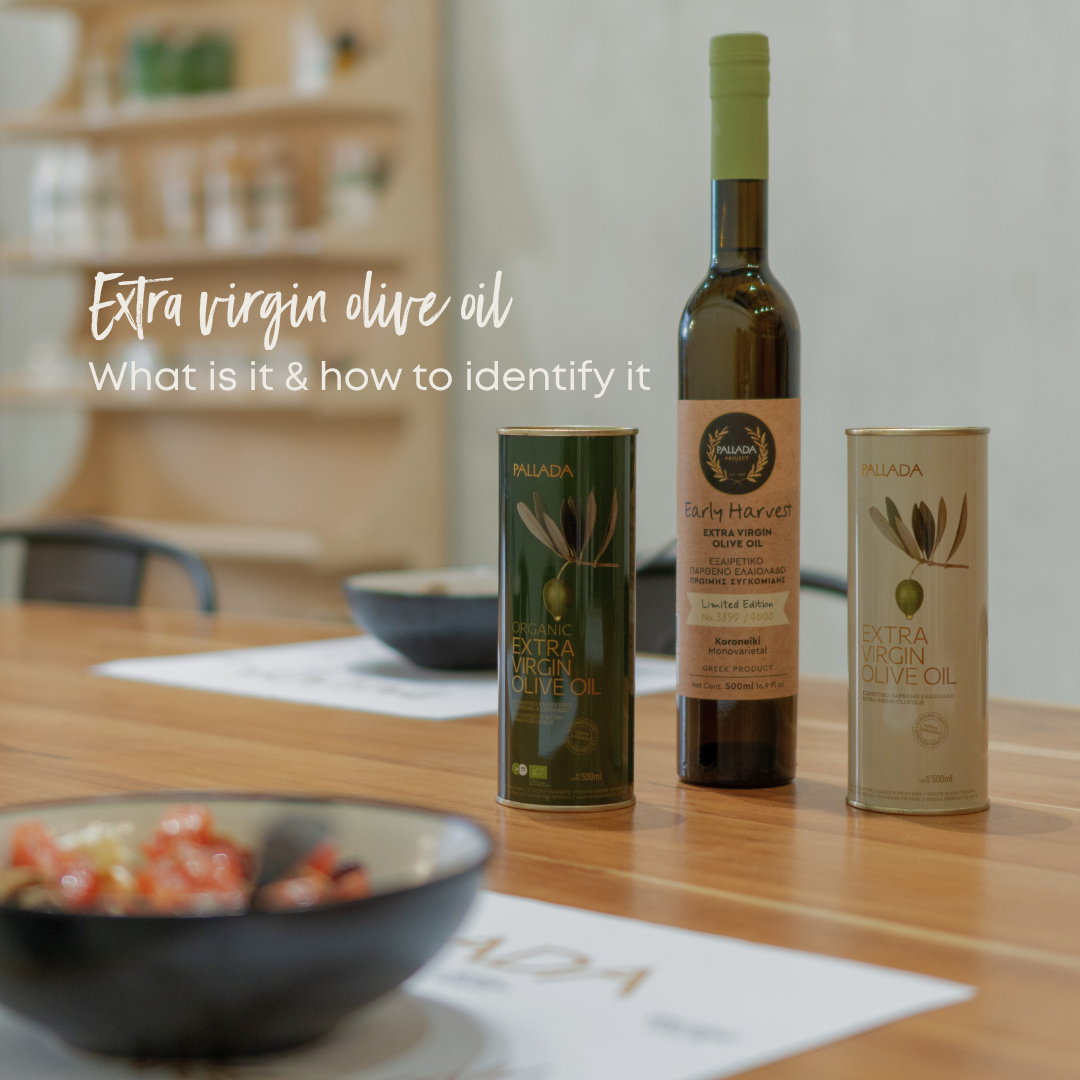
Extra virgin olive oil is the highest quality category of olive oil.
It is produced exclusively by mechanical methods, without chemical processing.
To be classified as such, it must:
- Have an acidity below 0.8%
- Not present any taste defects
- Preserve the natural aromas of the fruit
How to tell if it is quality
1. Aroma
A good olive oil smells fresh, green, reminiscent of:
- grass
- olive leaves
- tomato
2. Taste
In the mouth it must have:
- slight bitterness
- spicy finish
These are signs of a high content of polyphenols.
Polyphenols are natural antioxidant compounds found in the olive fruit and transferred to the olive oil during pressing.
They play a crucial role in both the taste and nutritional value of olive oil, as they: protect cells from oxidative stress, contribute to reducing inflammation in the body, and are associated with heart health.
The characteristic bitterness and slight “burning” in the throat are not a defect — they are an indication that the olive oil is rich in these valuable compounds.
3. Color (caution)
Color is not a reliable indicator of quality.
It can range from bright green to golden.
Most common mistakes
- Choosing only based on price
- Buying without a production date
- Store away from light and heat
The PALLADA experience
At PALLADA, in Chania, Crete, we produce extra virgin olive oil with respect for tradition but also modern methods.
Through Olive Oil Tours, you have the opportunity to:
- learn firsthand about production
- learn to taste olive oil correctly
- understand what real quality means
Discover our products
Book an Olive Oil Tour and experience it firsthand